Stakeholders in Nigeria’s health sector have called for mandatory health insurance coverage for all residents across the country as part of efforts to achieve Universal Health Coverage (UHC) and reduce the burden of out-of-pocket healthcare expenses.
The resolution was reached at the maiden National Summit of State Social Health Insurance Agencies (SSHIAs) held in Akure, Ondo State, where health policymakers, government officials, development partners, financial institutions and healthcare stakeholders gathered to deliberate on strategies for strengthening health insurance systems nationwide.
The two-day summit, organised by the Forum of Chief Executive Officers of State Social Health Insurance Agencies, was themed: “Economic Realities and the Universal Health Coverage Dream: Mobilising States for a Scalable Health Insurance Future.”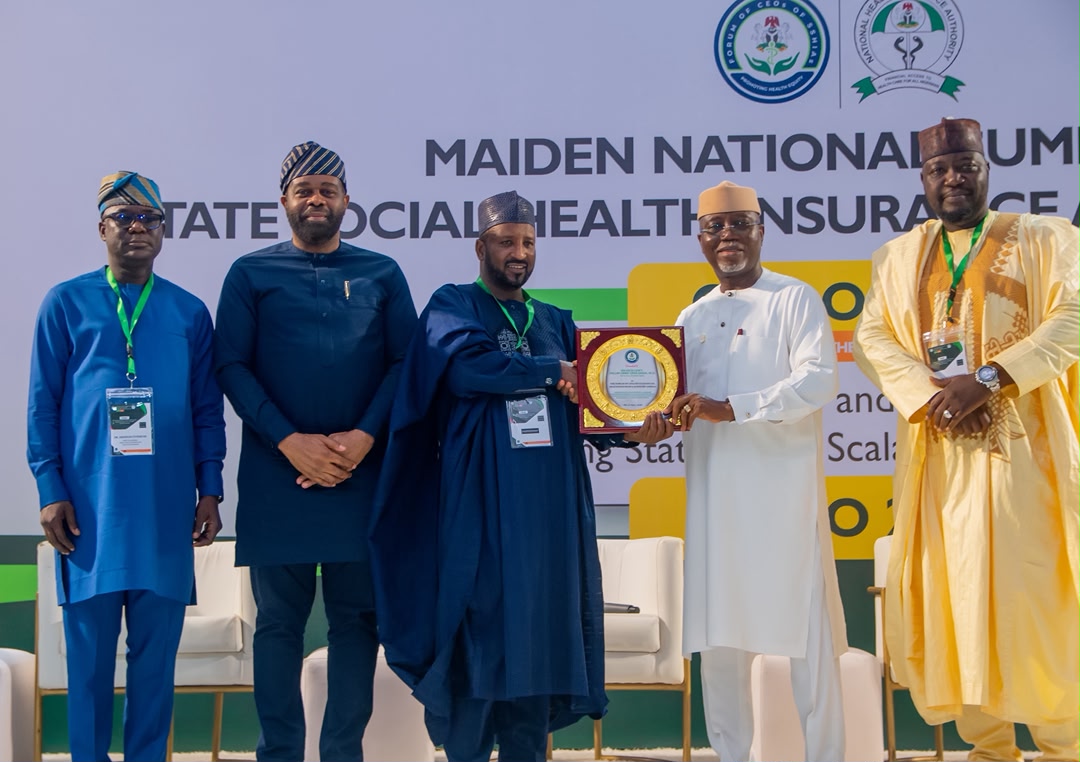
Participants expressed concern over the high cost of healthcare, low insurance penetration, weak financing mechanisms and disparities in health insurance coverage across states. They noted that millions of Nigerians, particularly those in the informal sector and vulnerable groups, remain without adequate health insurance protection.
In a communiqué issued at the end of the summit, stakeholders urged state governments to demonstrate stronger political commitment to universal health coverage by making health insurance mandatory for all residents.
They also called for the establishment of a legal framework for health insurance in the Federal Capital Territory (FCT) and stronger enforcement of existing laws at state and local government levels.
The communiqué, signed by the Chairman of the Forum of CEOs of SSHIAs, Mr Mohammed Safana, and the Secretary, Dr Vetty Agala, further recommended the harmonisation of federal and state health insurance schemes to ensure effective regulation, improved coordination and wider coverage, including among informal sector workers.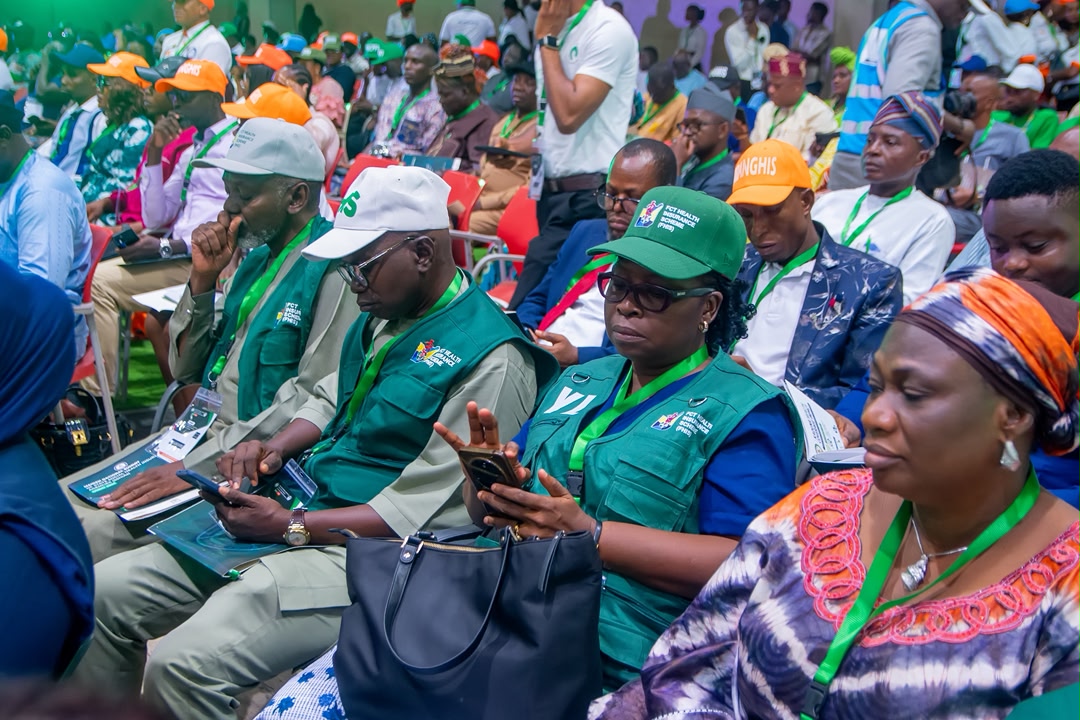
To guarantee sustainability, participants advocated a mixed financing model combining government budgetary allocations, mandatory insurance contributions, targeted subsidies for vulnerable groups and innovative funding mechanisms such as earmarked levies and Public-Private Partnerships (PPPs).
The stakeholders also stressed the need for states to consistently release counterpart and equity funds to support health insurance programmes and expand access to quality healthcare services.
Recognising the critical role of primary healthcare centres, the summit called for increased investment in healthcare infrastructure, workforce development, essential medicines and referral systems to improve service delivery nationwide.
It also highlighted the need for reforms in provider payment systems to improve accountability, reduce fraud and ensure timely reimbursement to healthcare providers.
Participants recommended the deployment of integrated digital health information systems for enrolment tracking, claims management, performance monitoring and transparency in the administration of health insurance schemes. They further urged state governments to establish Health Trust Funds to provide sustainable financing for healthcare services.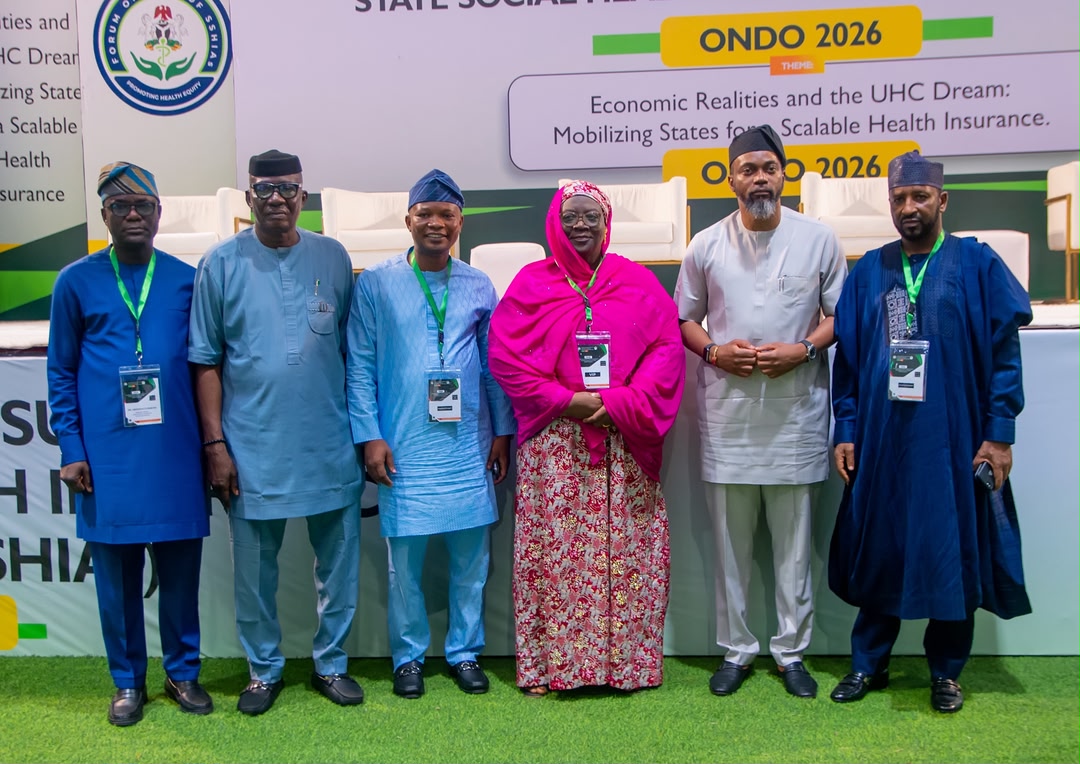
Speaking with journalists, the Director-General of the Ondo State Contributory Health Commission (ODCHC), Mr Abiodun Oyeneyin, said the Ondo State Government had set a target of enrolling about 500,000 residents in its health insurance programme, noting that the Orange Health Insurance Scheme (ORANGHIS) had already recorded over 300,000 beneficiaries across the state.
Dr Oyeneyin said the state had made steady progress in expanding health insurance coverage through programmes designed for civil servants, informal sector workers, vulnerable groups and beneficiaries of the Basic Healthcare Provision Fund.
He expressed confidence that the state would approach the 500,000 enrolment mark within the next year.
Earlier, At the opening of the program, Ondo state Governor, Lucky Aiyedatiwa, announced that retirees in the state would be enrolled in the Orange Health Insurance Scheme free of charge as well as unveiled a N1 billion Hospital Intervention Fund to support the expansion and modernisation of healthcare facilities across the state.
Speaking on strategies to increase participation among private individuals and workers in the informal sector, Oyeneyin said sustained awareness campaigns and partnerships had continued to boost enrolment.
He added that the summit provided an opportunity for stakeholders from across the country to develop practical strategies for expanding health insurance coverage and accelerating the attainment of Universal Health Coverage in Nigeria.
Participants, drawn from the 36 states of the federation and the Federal Capital Territory, commended the organisers for creating a platform for collaboration and knowledge sharing. They reaffirmed their commitment to strengthening state social health insurance systems and advancing universal healthcare access for all Nigerians.
The summit featured keynote presentations and technical sessions on health insurance expansion, financing strategies, enforcement of mandatory insurance, innovations in state health insurance schemes and strengthening primary healthcare systems.