
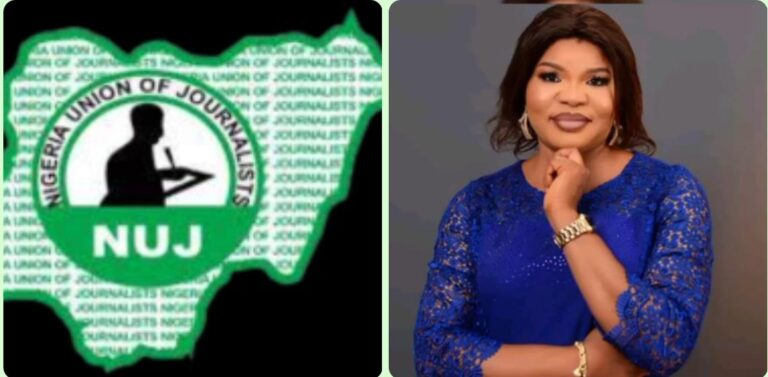
BY Ronke Afebioye Samo, Vice President, Nigeria Union of Journalists,
Zone B
Today, May 3, 2026, journalists and citizens across the globe mark World Press Freedom Day with the theme: _*“Shaping a Future of Peace: Promoting Press Freedom for Human Rights, Development and Security.”*_ The global conference, organized by UNESCO and co-hosted with the Government of Zambia in Lusaka on May 4–5, reminds us that peace is not merely the absence of conflict. Peace is built on truth, accountability, and the free flow of information.
*What World Press Freedom Day Means*
Proclaimed by the United Nations in 1993, World Press Freedom Day serves four purposes: to celebrate the fundamental principles of press freedom, to assess the state of press freedom worldwide, to defend the media from attacks on their independence, and to pay tribute to journalists who have lost their lives in the pursuit of truth. It is a day for governments to recommit to Article 19 of the Universal Declaration of Human Rights: that everyone has the right to seek, receive and impart information and ideas through any media.
*The South West Reality: Three Urgent Fronts*
As we reflect on shaping a future of peace,the NUJ Zone B draws attention to three issues that directly affect human rights, development, and security in Nigeria:
*1. Safety of Journalists*
Peace cannot exist where those who report truth are targets. From harassment during elections to physical attacks while covering protests and communal crises, too many colleagues in the South West work under threat. A journalist in fear cannot hold power to account. We call on security agencies and state governments to investigate and prosecute attacks on media workers. Impunity fuels repetition.
*2. AI and Disinformation*
Artificial intelligence is reshaping newsrooms and the information space. While it offers tools for faster reporting and fact-checking, it also supercharges disinformation, deepfakes, and propaganda that can destabilize communities. If we want peace, we must pair innovation with responsibility. Media houses need training and tools to detect AI-generated falsehoods, and tech platforms must be transparent about content moderation. The NUJ South West will prioritize AI literacy for our members this year.
*3. Access to Information and Media Welfare*
You cannot develop what you cannot discuss. The Freedom of Information Act must move from paper to practice in our states and local governments. Denial of data is denial of development. Equally urgent is the welfare of journalists. Poor remuneration, unpaid salaries, and lack of insurance leave reporters vulnerable to compromise and self-censorship. Media owners, government, and private sector partners must see journalists’ welfare as a security investment. A hungry press cannot defend democracy.
*Our Commitment*
Though we could not convene physically this year, the NUJ South West remains resolute. We will continue to train members on conflict-sensitive reporting, engage lawmakers on better protections, and partner with civil society to expand access to public information. We remember colleagues we have lost and stand with those still reporting under pressure.
Peace, human rights, and development depend on a press that is free, safe, and sustainable. On this World Press Freedom Day, we ask government, citizens, and media stakeholders; let us shape that future together, starting with protecting those who tell the story.
Long live NUJ,Zone B
Long live the Nigerian press. Long live the Federal Republic of Nigeria.