

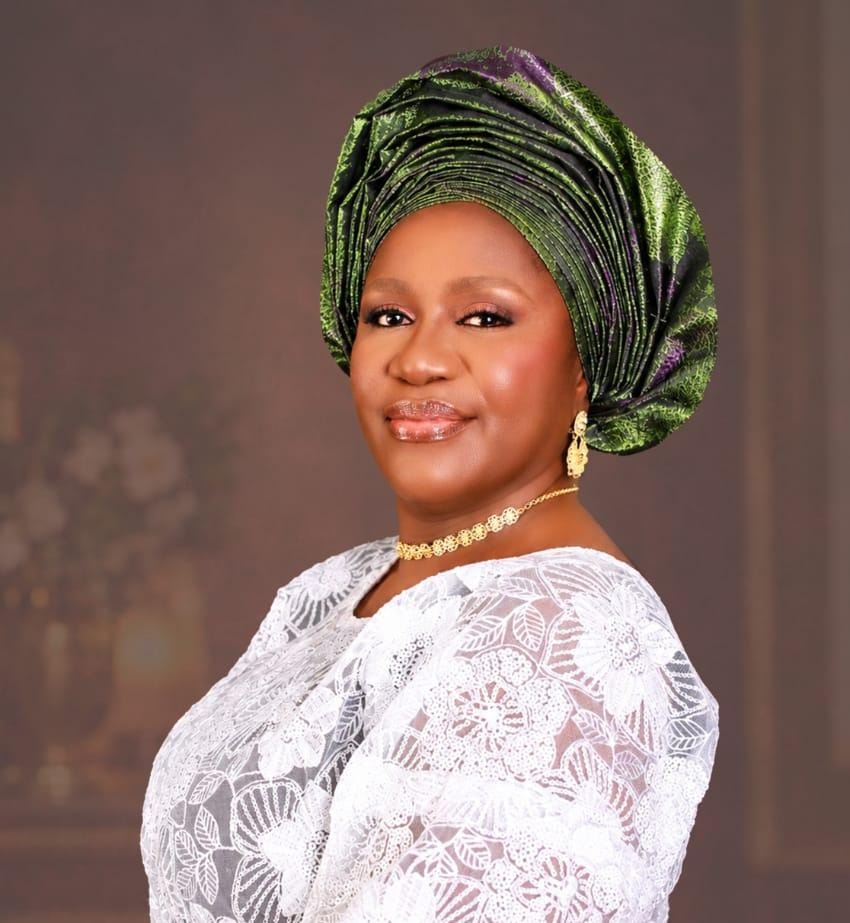
BY SUNDAY AJIBOLA
In the life of every mortal, two things are sacrosanct: natural characteristics and cultivated habits. The first is an integral part of who we are. It is innate; we often find ourselves behaving in certain ways, sometimes in ways we wish we had not. The second requires conscious effort, discipline and practice to develop, perfect and sustain.
In these days of changing values and strange ways of life, maintaining traditional African virtues and good manners has almost become an aberration. What used to be the norm is gradually disappearing from our collective consciousness. The values with which many of us were raised are fast becoming strange in a society increasingly enamoured of borrowed lifestyles.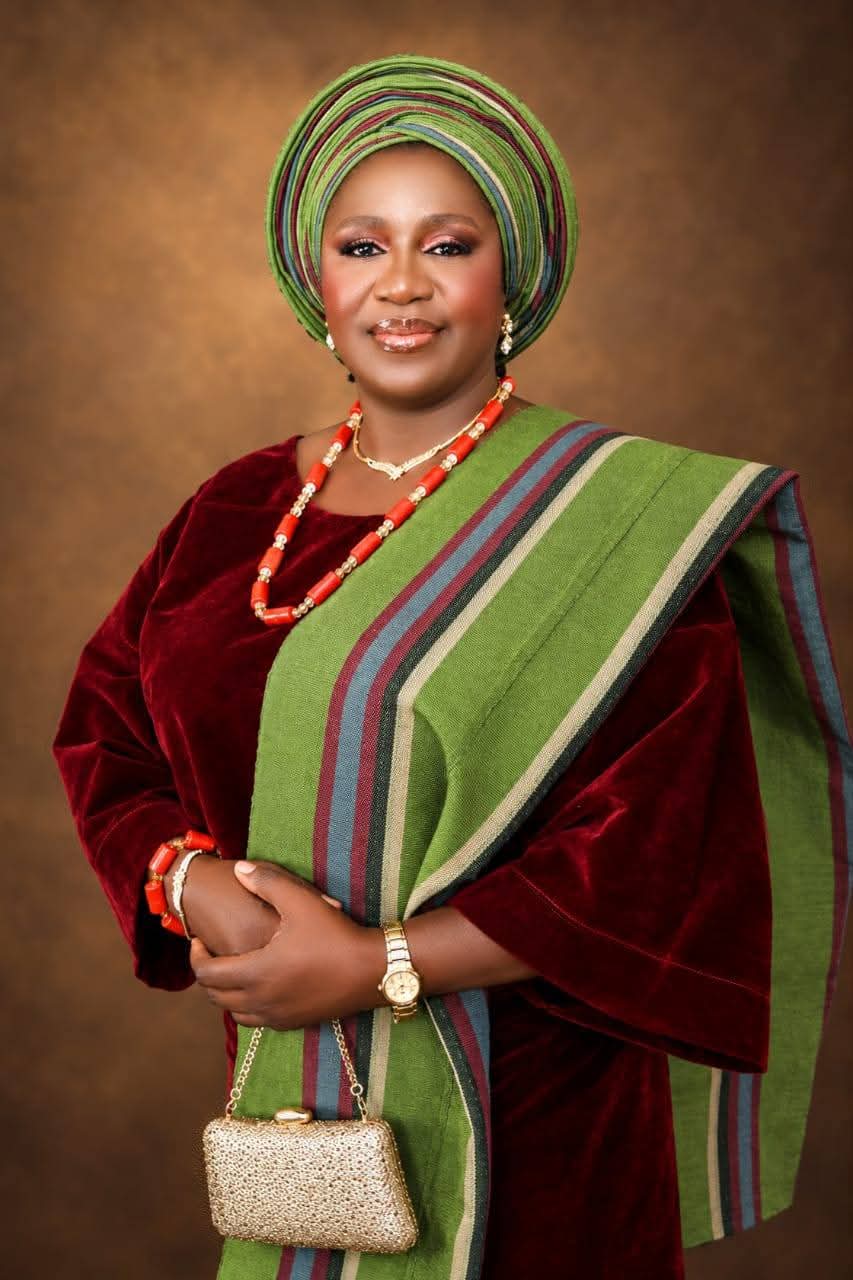
Education, ideally, should strengthen our core values and deepen our appreciation of them. Sadly, it has sometimes become an albatross, contributing to their erosion. The society continues to lose as individuals abandon genuine values for artificial and borrowed ways of life.
It is against this background that Mrs. Bukola Bardi, née Abiade, deserves to be celebrated—not merely because she has attained the golden milestone of 50 years, but because she has managed to remain a modern woman while manifesting the enduring virtues of a well-brought-up Yoruba woman.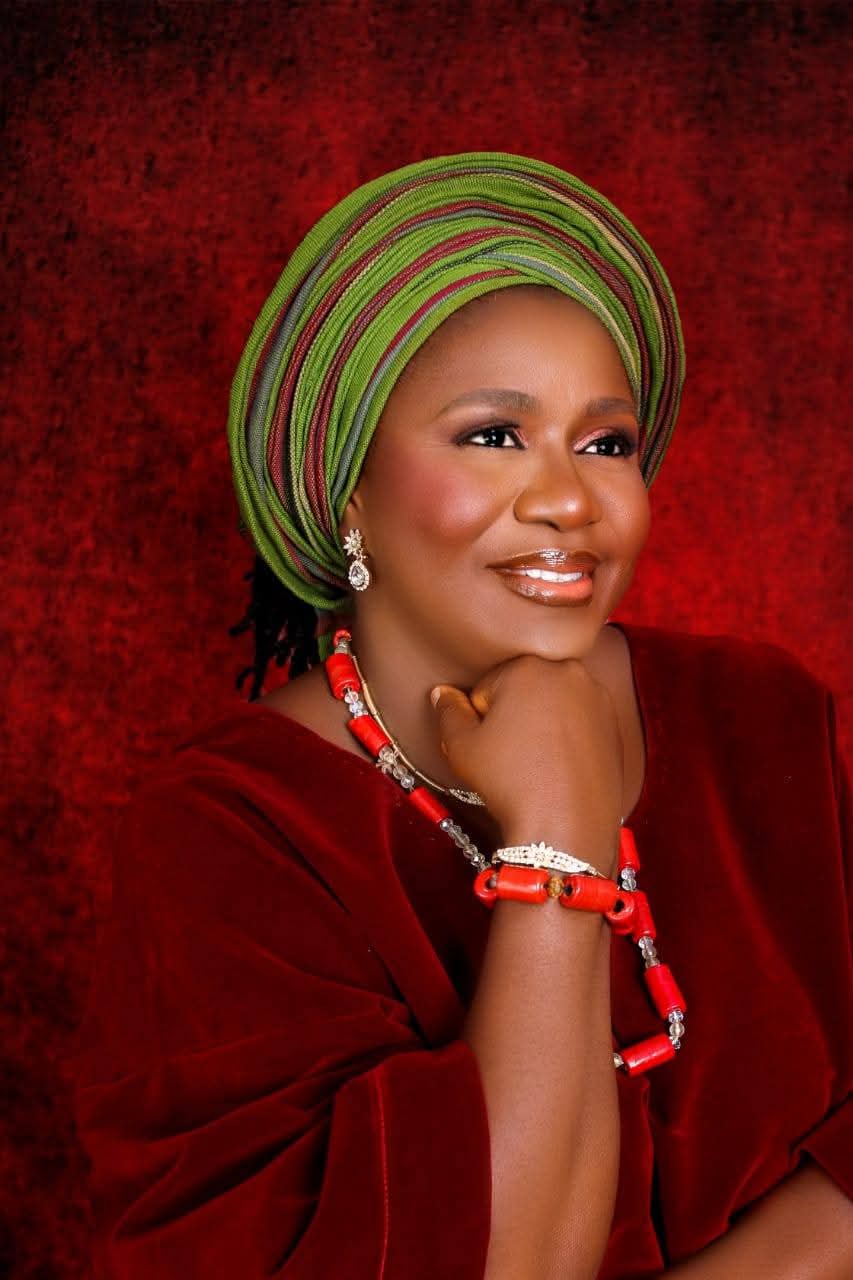
Yes, it is time to celebrate Bukola Bardi at 50.
Bukola is, in some respects, a delightful contradiction. Journalism—the business of minding other people’s business—can sometimes create a false impression of toughness, particularly among practitioners. In an environment where humility and respect may occasionally be mistaken for weakness, Mrs. Bardi has chosen a different path. She has demonstrated that professional accomplishment and sophistication need not come at the expense of humility, courtesy and respect.
Well educated and accomplished, she has never hidden behind education or religion to exhibit habits at variance with the cherished attributes of a good woman. She belongs to no school of thought that considers learning a licence to jettison good manners or regards modernity as an excuse for abandoning traditional values.
And then there is her beauty.
Bukola is not shy of possessing an enthralling pulchritude. Even at 50, she remains one of the blessed in that regard. By any standard, her features are captivating. But beauty, like every other natural endowment, is a gift from God. If you are given, you have it; if you are not, so be it. It cannot be purchased.
Yet, unlike those whose beauty is merely skin-deep and are worn like ornaments, Bukola does not merely wear her virtues. She lives them.
The Yoruba saying, “Ìwà rere l’ẹṣọ ènìyàn”—good character is a person’s adornment—perhaps captures the essence of the birthday girl better than anything else.
Her ever-radiant smile gives the impression of a woman without personal challenges. But beneath that smile is a woman who has endured life’s moments of pain without allowing them to corrupt her character.
A couple of years ago, a loud-mouthed and unscrupulous journalist publicly called out Bukola and rained invectives and insults on her. Her offence? Delayed childbearing.
The incident brought tears to her eyes. Yet, remarkably, she did not allow the cruelty of the moment to change the quality of her character. She continued to respect the man and would still greet him whenever they met.
That, to me, is character.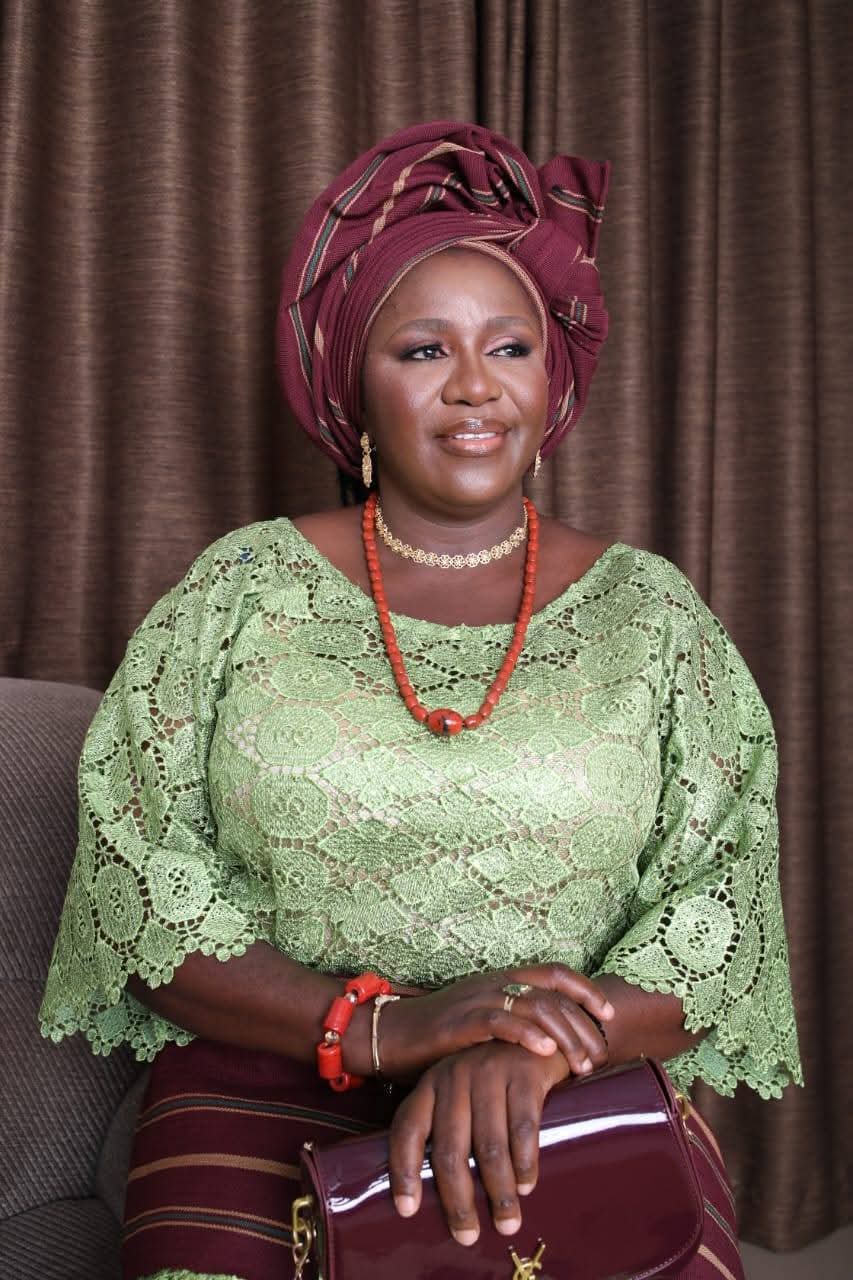
Bukola is perhaps one of the few female journalists who will still kneel to greet older colleagues. Since the day she realised that I am from Akure, it has been “Buoda mi” whenever and wherever we meet. That simple expression carries more than familiarity; it reflects warmth, respect and a genuine sense of kinship.
Bukola cherishes relationships and friendship. Since she began her journalism career at the Ondo State Radiovision Corporation (OSRC) in 1999, followed by a brief stint at Hope newspaper and, eventually, her career at Radio Nigeria, the Akure-born thoroughbred journalist has maintained cordial relationships and mutual respect with the people whose paths have crossed hers.
That is no mean feat in journalism.
Anyone who encounters Bukola for the first time and is captivated by her physical appearance may later be even more impressed by her manners. She combines beauty with an uncommon sense of courtesy. To respect Buki, as I fondly call her, is almost an obligation you cannot avoid. Why? Because she gives you her respect first.
And that is the beauty of genuine character: you do not have to demand respect from a person who has already given it to you.
Bukola is also an articulate communicator. Ask her a question and she will not shy away from answering it. She expresses herself with confidence and clarity, while her natural warmth makes people feel at home in her presence.
She is appreciative, too. Every favour done for her, irrespective of the position or responsibility of the person involved, receives a measure of gratitude from her. She does not consider kindness an entitlement.
Friendly. Accommodating. Gregarious. Humble. Respectful. Appreciative. Warm.
These are not merely adjectives attached to the name Bukola Bardi; they are qualities that have become associated with her over the years.
At 50, therefore, we are not merely celebrating a woman who has attained a significant milestone in age. We are celebrating a woman who has successfully combined beauty with character, education with humility, professionalism with courtesy, and modernity with cherished cultural values.
Mrs. Bukola Bardi is, indeed, a quintessential woman.
A woman of beauty.
A woman of substance.
A woman of exemplary character.
A woman who reminds us that in a world where values are rapidly changing, good manners never go out of fashion.
Happy 50th birthday to a remarkable woman—an Ọmọ Yorùbá who has adorned her beauty with character and her achievements with humility.
Àṣèyí sámọdún.
May the years ahead bring you greater joy, enduring peace, sound health, fulfilment and many more reasons to smile.
Happy Golden Jubilee