
 Nigeria’s democratic experience since 1999 has been marked by an evolving patter of political communication. From the era of rallies, radio ginggles, and newspaper adverts, the landscape has shifted dramatically with the rise of social media and mobile technology.
As the country prepares for the 2027 general elections, this transformation is most visible in the way political actors, parties and citizens now engage in public discourse.
The pre-election period which traditionally served as a time for issues’ articulation, manifesto’s presentation, and policy debate is increasingly being a space determined by personality politics.
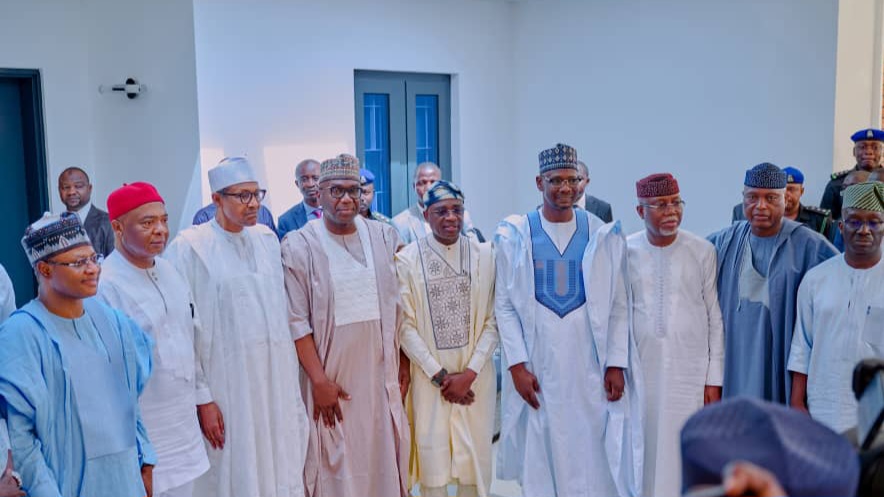
In recent months leading to 2027, public attention has been drawn less to governance proposals and more to viral incidents, personal encounters, and character based accusations involving aspirants across the major political parties: APC, PDP and LP. S handshake, a dinner photo, or a brief conversation with citizens and a personal character based label can now generate more public discussions and partisan conflict than a candidate’s policy document.
This shift reflects a global trend of the personalization and affective turn in politics, where emotions, identity and perceived morality have become central to political competition.
However, in the Nigerian context, this trend is compounded by high levels of political polarization, misinformation and the speed of digital dissemination on platforms such as X, Facebook, Tik-tok and WhatsApp. The result is what this analysis describes as a “deepening rift”—a growing divide in public discourse where opponents are judged not by what they planned to do but who they are perceived to be.
 The significance of this trend cannot be overstated. Elections are the primary mechanism for democratic accountability. When public discourse is consumed by personal accusations, voters are denied the opportunity to evaluate candidates based on competence, track record and policy alternatives. This raises critical questions about the quality of democracy and the role of media and citizens in shaping the 2027 election conversation. It is against this background that this analysis examines the deepening rift of personal accusations in public and political discourse ahead of 2027 general election.
The 2027 election cycle has witnessed an early and intense focus on personal narratives rather than policy. While some levels of personality politics is normal in any democracy, the current scale of weaponized optics threatens to displace substantive debates. Consequently, there is a dire need to understand how and why personal accusations have come to dominate pre-election discourse and what this means for Nigeria’s democracy. Similarly, there is a general need to examine the deepening rift of personal accusations in public political discourse in pre-election 2027 and specifically, to identify the forms and patterns of personal accusations in current political discourse, examine how social media frames and amplifies personal optics, assess the implications of this trend for democratic accountability and propose strategy for re-centering public discourse on governance issues.
The personalization of politics refers to the tendency for political processes to focus on individual political actors, rather than on parties, ideologies or policy proposals. In the digital age, this trend has been amplified by social media, where emotions, identity and character narrative travel faster than policy document.
In Nigeria, voters often evaluate candidates based on perceived integrity or personal conduct, rather than manifestoes.
“Weaponized optics” describes the images, videos and brief encounters to generate political meaning and attack opponents. Social media accelerates discursive fragmentation, where different publics receive different versions of an event.
In Nigeria’s 2023 election, ‘memes’, a fast spreading cultural jokes and viral template shared across digital platforms were used to question candidates competence and morality. When public discourse shifts from policy to personality, democratic accountability suffers. Voters are denied access to information on governance and service delivery. This risks further polarizing the electorates and reducing elections to contest of reputation rather than competence.
It is worthy of note to exposit four cases of weaponization of personal optics in Pre-election 2027.
1. The Polytechnic Student Incident – APC, Oyo State: A viral moment involving the APC gubernatorial candidate and a Polytechnic Student was reframed as evidence of “desperation and character deficit.”
2. The Handshake Video – PDP, South-South: A PDP aspirant embracing a youth leader was circulated with allegations of “god father politics”, shifting focus from education and security policies.
3. The Dinner Table Photo – LP, South-East: An LP candidate’s photo dining with a musician was used to question “seriousness and source of funding”, drawing out policy posts.
4. Reference to the PDP Presidential Candidate as “Gbewudani”: A derogatory reference in Yoruba as an imbecile, used on live national television.
The use of Gbewudani is a textbook example of personal accusations in public discourse. When used on a live National TV to refer to a PDP Presidential candidate, it was not a policy critique, rather, a personal character-based label. It is a clear example of the deepening rift of personal accusations in our public discourse ahead of 2027. Whether the intent was satire, tough questioning or commentary, the effect is the same: a personal label displaced policy debate.
Across all the cases, personal encounters were extracted, reframed and used to substitute for governance debates. This confirms the rise of effective politics, discursive fragmentation, and a strategic dilemma for parties.
Above mentioned shows that personal optics are now the primary battle grounds for political contestation. This supports Framing Theory as incidents were given moral interpretations. It also supports Agenda Setting Theory as vital contents displaced policy in public attention. The result is discursive fragmentation and a risk to democratic accountability, confirming that voters are being denied substantive information needed for decision making. This revealed that viral optics are increasingly being weaponized to substitute for issue-based debates. If this trajectory continues, the 2027 risks becoming a contest of reputation and virality rather than a contest of ideas and service delivery.
Deliberate efforts must be made by all stakeholders to re-center political discourse on governance and development. Political parties and candidates should enforce communication discipline and train candidates to project issue-based messages on security, economy health and good governance.
Media organizations and civil society should adopt a “Context-First” approach to reporting viral incidents and intensify media literacy campaigns. As for voters and general public, there is need to cultivate critical media literacy and demand manifestoes, debate attendance, and track record instead of engaging in memes and accusations.
As Journalists, our duty is to hold power to account, but accountability must not slip into derision. Toughness is not the same as name calling. If we allow platforms, whether social media or National TV to normalize personal labels over manifestoes and track records, then we are all complicit in diminishing the quality of journalism and choices available to Nigerian voters. We must therefore lead the charge for Context-First Journalism: Interrogate issues, challenge candidates, but put the focus on governance.
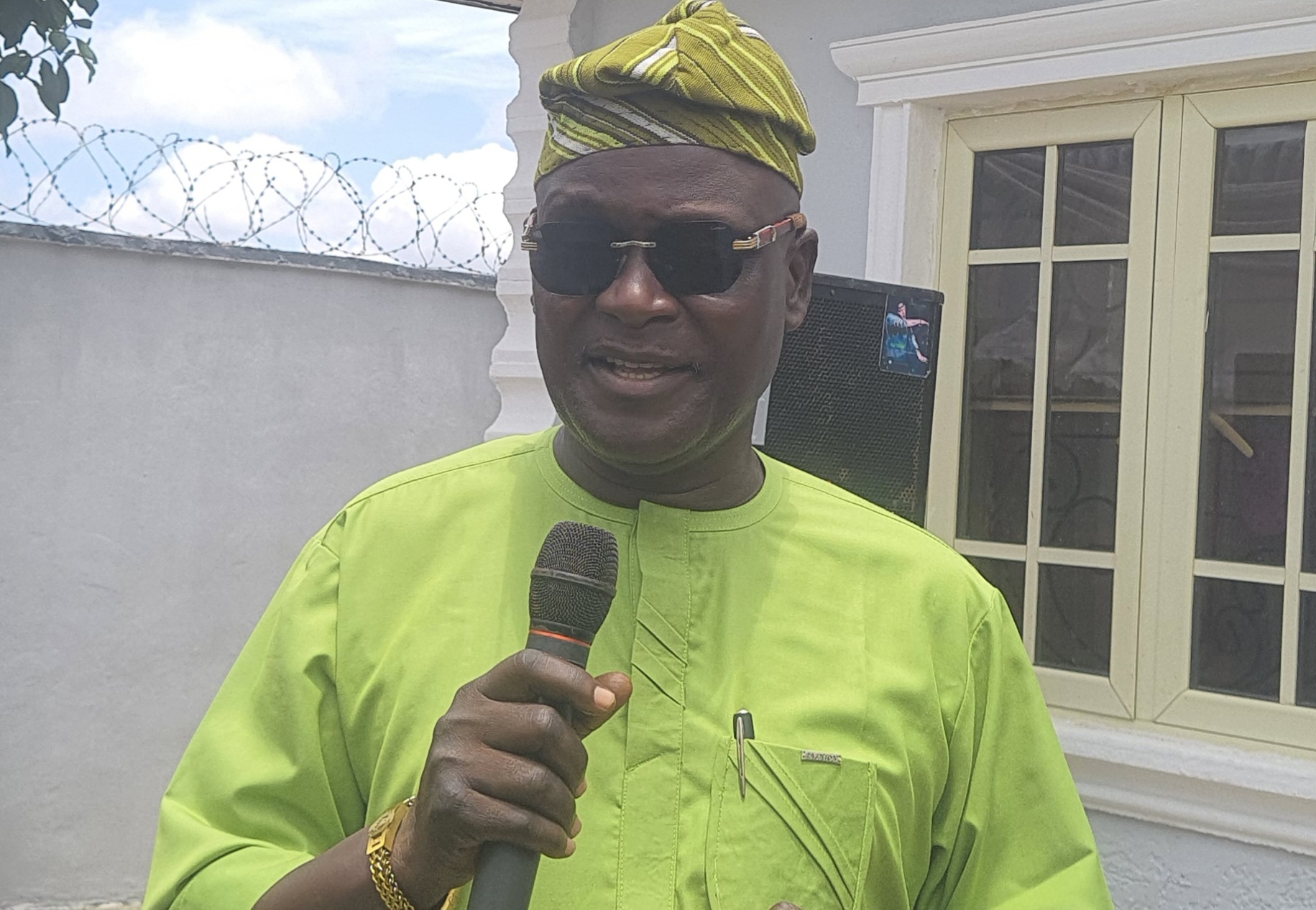
Gbemiga Bamidele, Ph.D is a communication scholar and the Convener, Society for Journalism Enhancement Initiatives (S4JEI).