Editors, publishers and journalists have been urged to shift from personality-driven and event-based reporting to issue-based journalism that places citizens at the centre of electoral discourse ahead of the 2027 general elections.
The call was made by media experts at a two-day interface with the Nigeria Union of Journalists (NUJ), editors and publishers on Professional and Democratic Accountability Journalism, organised by the International Press Centre (IPC) in Akure, Ondo State.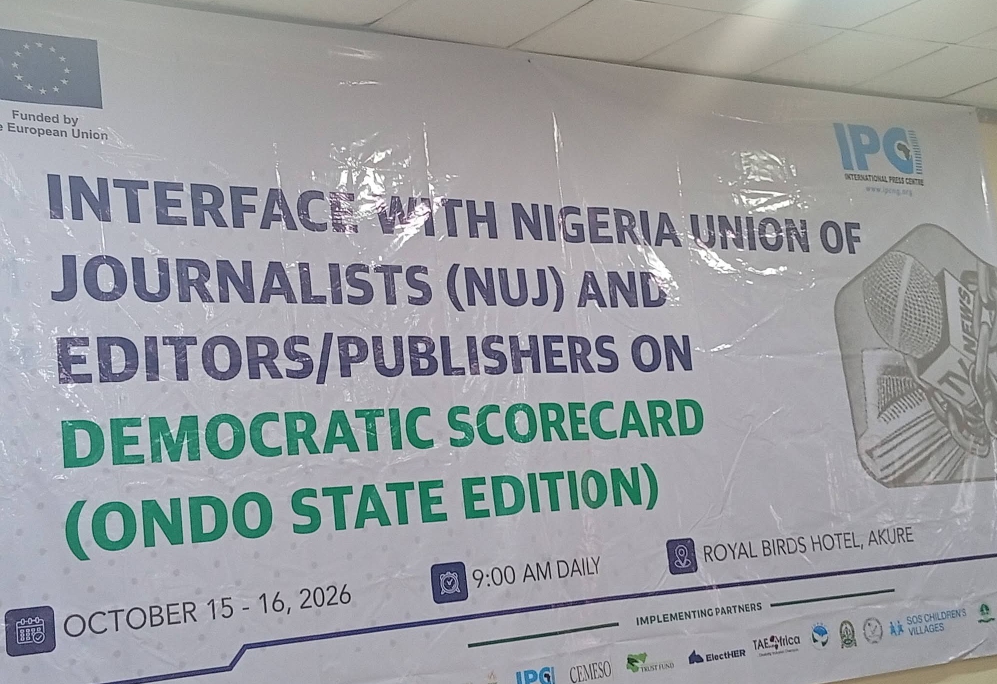
In his welcome address, the Executive Director of IPC, Mr Lanre Arogundade, said the engagement was necessary to enable media professionals to reflect on their responsibilities and strengthen their capacity for effective electoral reporting.
Mr Arogundade, who was represented by the Programme Manager of IPC, Mrs Stella Nwofia, described the engagement as critical to strengthening democratic accountability and the role of the media ahead of the 2027 general elections.
He said elections were not merely about political campaigns, rallies, candidates and the announcement of results, but also about citizens’ aspirations, concerns and expectations of leadership.
Mr Arogundade challenged journalists to give greater attention to issues affecting Nigerians, including the economy, education, healthcare, security, employment and infrastructure.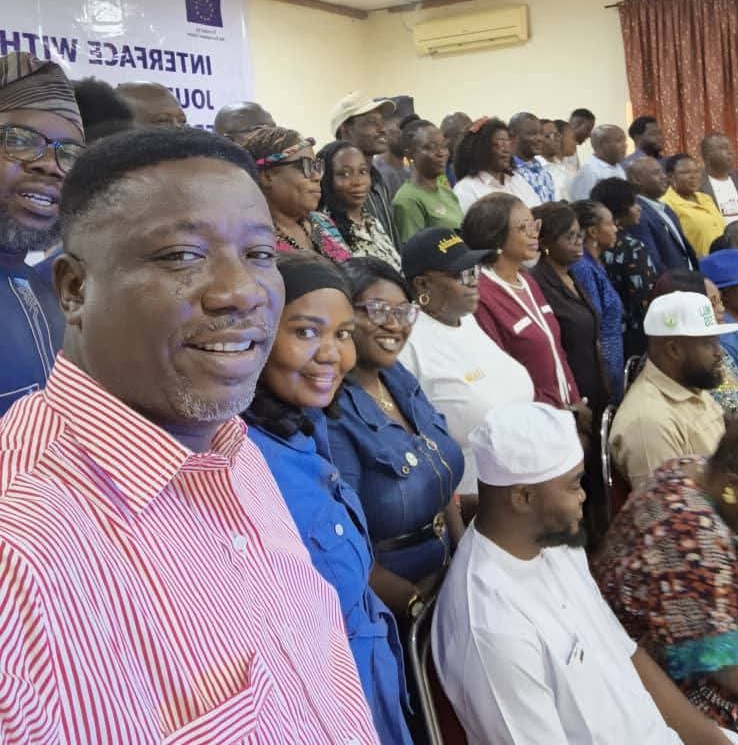
He also called for adequate representation of women, young people, persons with disabilities and other vulnerable groups in electoral reporting.
On the spread of misinformation and disinformation, particularly on social media, the IPC executive director urged journalists to strengthen their fact-checking and verification skills before publishing politically sensitive information.
He stressed that accuracy should take precedence over speed, adding that fact-checking must remain an integral part of responsible electoral reporting.
Mr Arogundade also emphasised the need to protect the safety and professional independence of journalists, noting that media practitioners should be able to perform their legitimate duties without intimidation, harassment or unlawful interference.
One of the resource persons, a renowned journalist and Director of Corporate Communications at the Federal University of Technology, Akure, Mr Adebanjo Adegbenro, urged journalists to ensure that the needs and aspirations of citizens were reflected in the manifestos of political parties.
Speaking on the topic, 2027 General Election in the Context of Democratic Accountability Reporting, Mr Adegbenro said issue-based reporting would help hold politicians accountable for their promises and check the dissemination of false claims for personal and political gains.
An information technology expert, Mr Daniel Dabo, also exposed participants to the use of artificial intelligence and digital tools to enhance journalistic practice and improve media performance.
In his presentation on Integrating Fact-Checking for Democratic and Accountability Reporting, Mr Olusola Oludiran warned that the information space was increasingly being flooded with inaccurate narratives and falsehoods.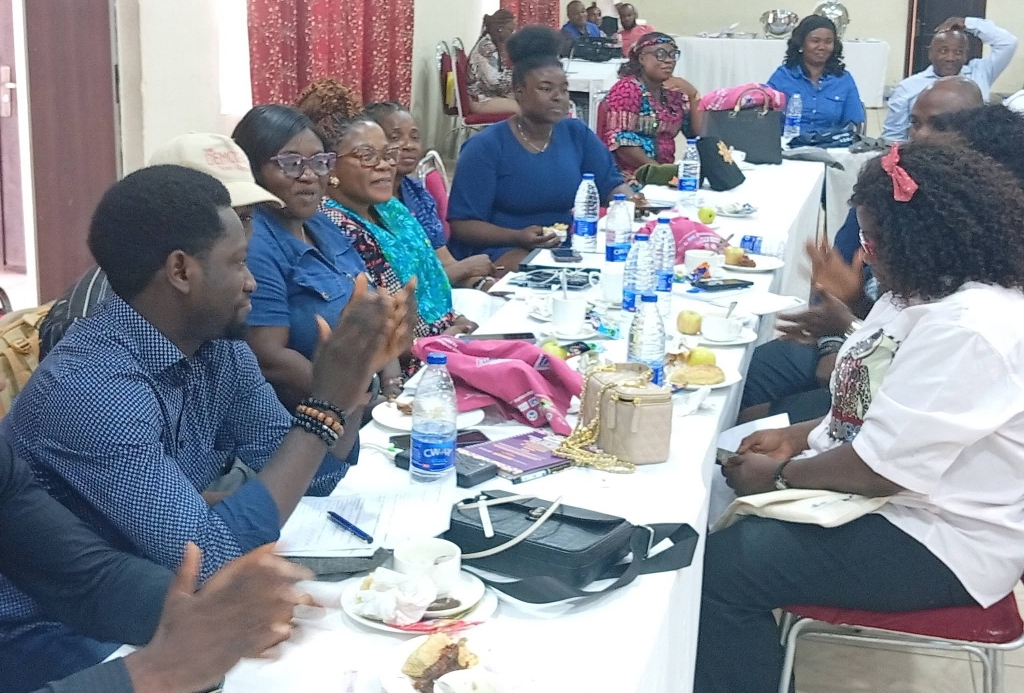
He said misinformation, disinformation and malinformation, particularly on social media, posed serious threats to democratic governance and credible elections if left unchecked.
Mr Oludiran explained that fake news often spread rapidly because of its sensational and emotionally charged nature, making it imperative for editors to integrate fact-checking into their daily editorial processes.
He urged journalists to verify their sources, authenticate images and videos using reverse-search tools, cross-check claims against credible data and consult experts and official documents before publication.
According to him, false information could trigger violence, undermine public trust, distort electoral choices and damage reputations within minutes.
He introduced participants to digital verification tools, including Google Fact Check Explorer, InVID and TinEye, and encouraged media organisations to establish internal fact-checking desks ahead of the 2027 general elections.
Earlier, the Chairman of the NUJ in Ondo State, Prince Leke Adegbite, cautioned journalists against sensational reporting before, during and after the 2027 general elections.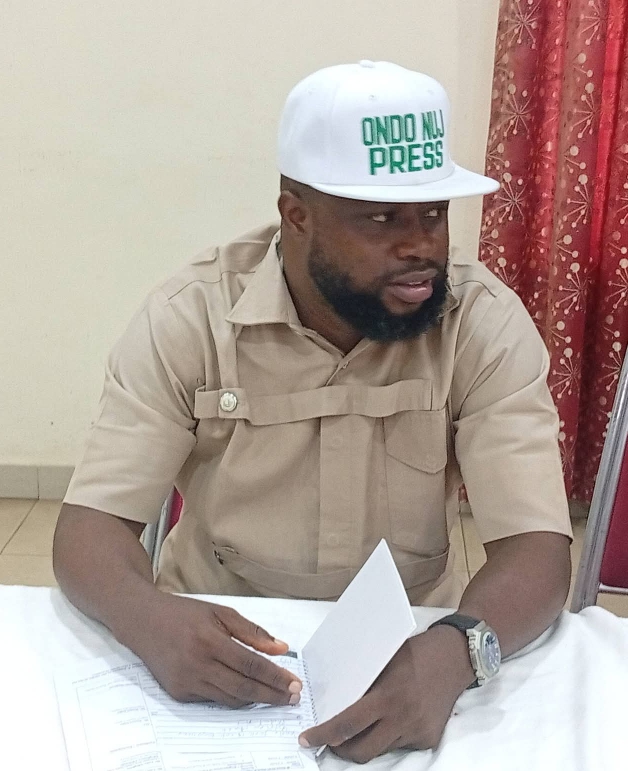
Prince Adegbite urged journalists, editors and publishers to uphold professional ethics and democratic accountability in order to strengthen democracy and promote credible elections.
Participants at the interface commended the IPC and the European Union for the initiative, pledging to uphold professional standards and accountability in their coverage of the 2027 general elections.
The engagement was organised under Component Four, Support to Media, of the European Union Support to Democratic Governance in Nigeria (EU-SDGN III) Programme.
It was attended by journalists from various electronic and print media organisations.